
DIY Computer Repair: When to Fix It Yourself and When to Call a Pro


Understanding DIY Computer Repair
In today's digital age, computers are essential tools for work, entertainment, and communication. When your computer starts acting up, your first instinct might be to fix it yourself. DIY computer repair can be a cost-effective and rewarding experience, but it's important to know when it's appropriate to tackle the issue on your own and when to call in a professional.

Common DIY Fixes
For many common computer issues, a DIY approach can be both simple and effective. Here are a few problems you might consider handling yourself:
- Slow Performance: Often caused by too many background programs or insufficient RAM, this can be addressed by cleaning up your startup programs or upgrading your RAM.
- Software Glitches: Many software issues can be resolved by reinstalling the program or updating your operating system.
- Overheating: Cleaning dust from your computer's fans and vents can help with overheating problems.
When to Call a Professional
While many issues can be resolved with some basic troubleshooting, there are certain situations where professional intervention is advisable:
- Hardware Failures: If you're dealing with a failed hard drive or malfunctioning motherboard, professional repair is often necessary.
- Data Recovery: If you've lost important data, attempting recovery on your own could lead to permanent loss. Specialists have the tools and expertise to recover data safely.
- Complex Network Issues: Network problems that persist despite basic troubleshooting may require a professional's expertise to diagnose and fix.
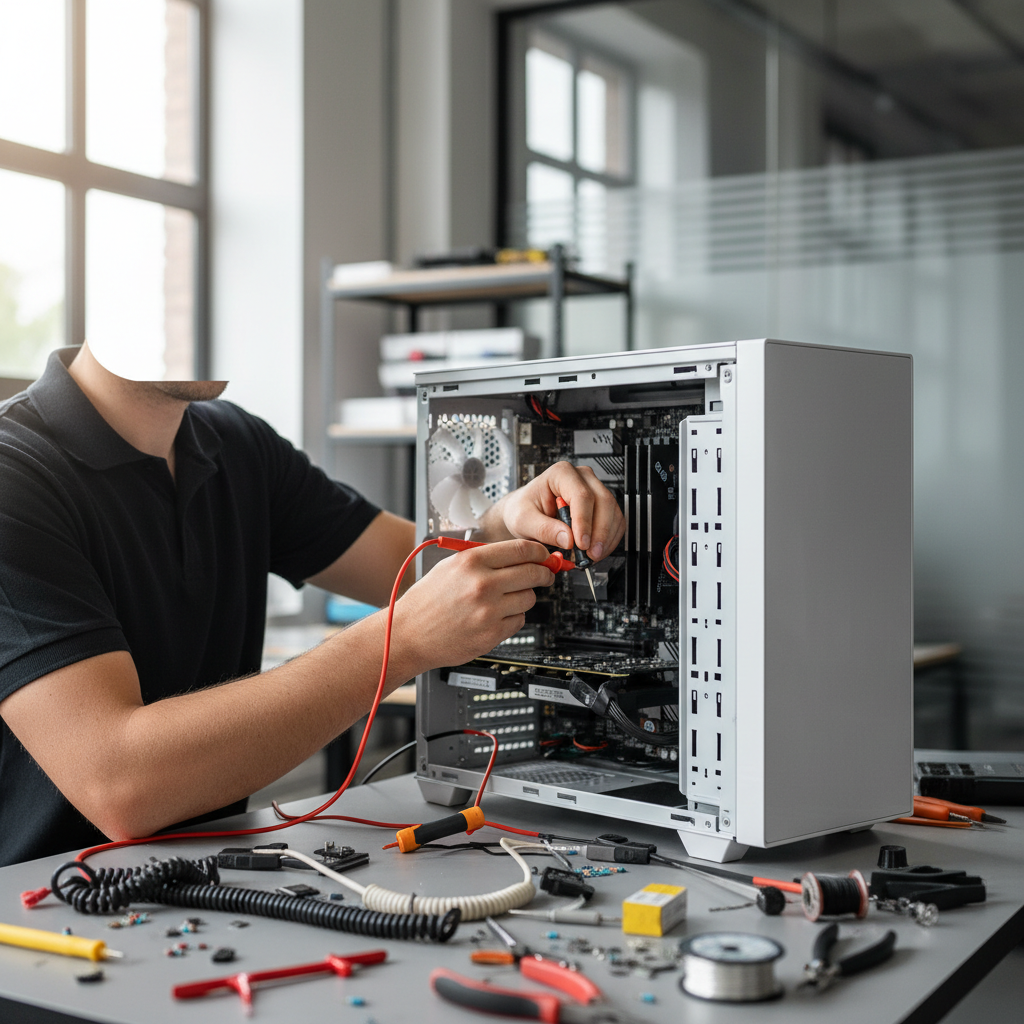
Benefits of Professional Repair
Choosing to call a professional for certain repairs can offer several benefits. Professionals come equipped with the right tools and years of experience, ensuring that the repair is done efficiently and correctly. This can save you time and prevent further damage to your device.
Cost Considerations
Cost is often a deciding factor when choosing between DIY and professional repair. While fixing your computer yourself might seem cheaper, a botched repair could lead to higher expenses in the long run. Weigh the potential costs of professional service against the risk of exacerbating the problem.
Learning and Skill Development
Engaging in DIY repairs can be an excellent learning opportunity. You'll gain valuable skills and a better understanding of how your computer works. However, it's crucial to assess your comfort level and knowledge before diving into complex repairs that could cause more harm than good.
Making the Decision
Ultimately, the decision to repair your computer yourself or seek professional help depends on the issue's complexity, your technical skills, and your comfort level. For minor issues, a DIY approach can be empowering and cost-effective. For more severe problems, professional assistance ensures your computer is in capable hands.
By understanding the scope of the problem and evaluating your own abilities, you can make informed decisions about when to tackle a computer repair project on your own and when to leave it to the experts.