
Computer Repair vs. Replacement: Making the Right Decision


Understanding the Dilemma
When your computer starts showing signs of age or malfunction, you face a critical decision: should you repair it or replace it entirely? This can be a tough choice, as both options come with their own set of advantages and challenges. Understanding these can help you make an informed decision.
Consider factors such as the cost of repairs, the age of your device, and how you use your computer daily. An informed choice can save both money and frustration in the long run.

Evaluating Repair Costs
Before deciding, it's essential to evaluate the potential repair costs. Minor issues like a broken keyboard or a failing hard drive can often be fixed inexpensively. However, if your computer has major issues, such as motherboard failure, repairs might be costly.
It's wise to get a repair estimate and compare it to the cost of a new computer. If repairs exceed 50% of the price of a new device, replacement might be the better option.
Age and Obsolescence
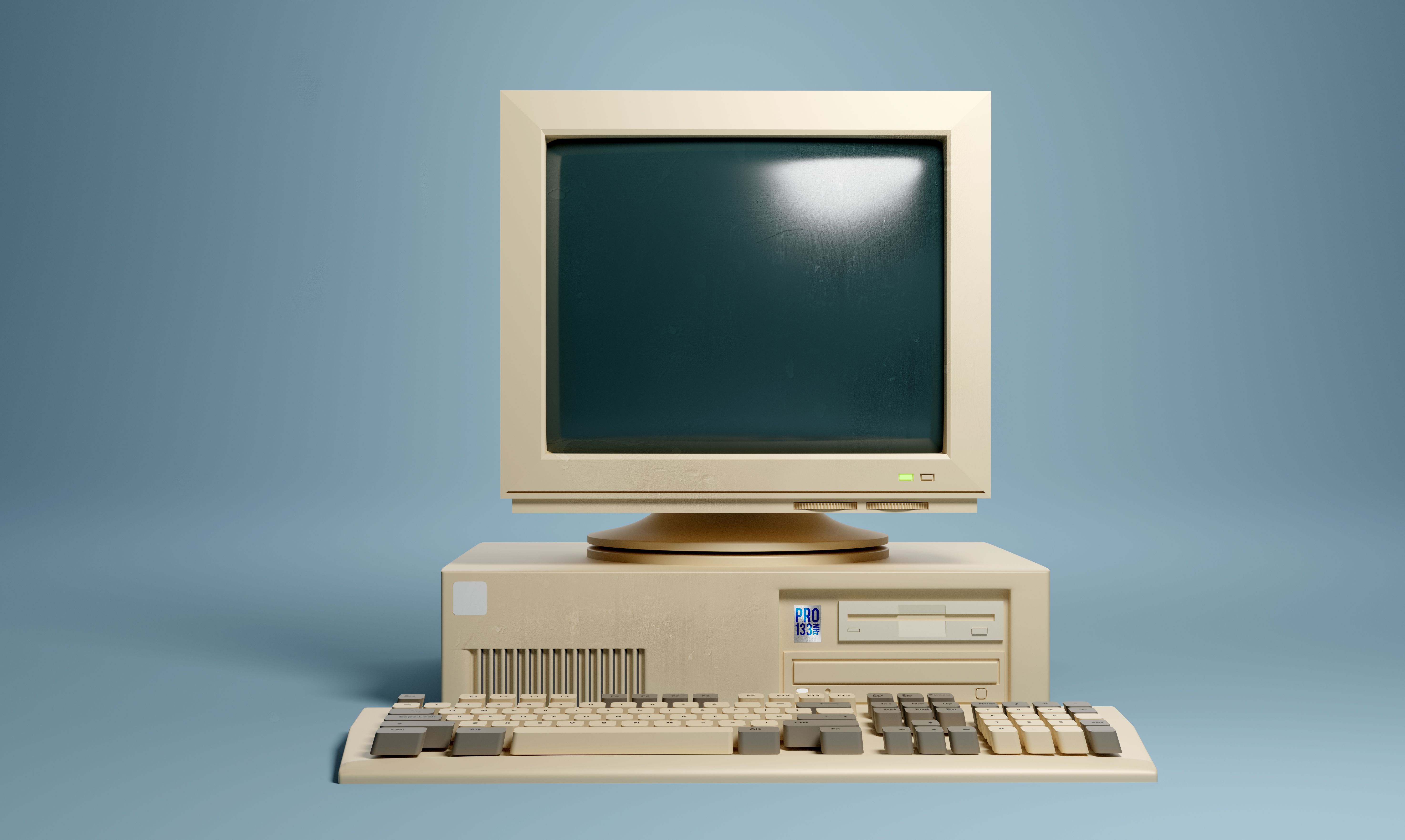
The age of your computer plays a significant role in this decision. Computers older than five years may not support the latest software updates or hardware upgrades. In such cases, investing in repairs might be a temporary fix, leading to more issues down the line.
Performance Needs
Consider how you use your computer daily. If you rely heavily on your device for work or gaming, performance is crucial. A new computer will offer the latest technology, faster processors, and better graphics, enhancing your experience.
However, if your needs are basic, such as browsing and streaming, repairing an existing computer might suffice.
Environmental Impact
Repairing a computer is generally more environmentally friendly than replacing it. E-waste is a growing concern, and extending the lifespan of your device can reduce your environmental footprint. Consider this factor if you are environmentally conscious.

Making the Right Choice
Ultimately, the decision between repair and replacement comes down to your specific needs and circumstances. Consider these steps:
- Assess the extent of the damage.
- Get a repair cost estimate.
- Evaluate your performance needs.
- Consider the environmental impact.
By weighing these factors, you can make a choice that aligns with your financial and personal priorities.
In conclusion, both repairing and replacing have their merits. Whether you opt to breathe new life into your existing device or embrace the latest technology, making an informed decision is key to satisfaction and efficiency.